
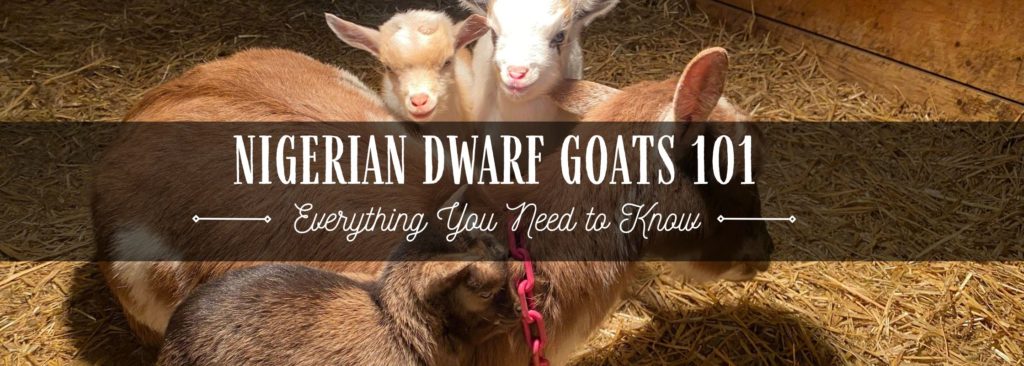
Nigerian Dwarf Goats are a breed of miniature dairy goats native to West Africa. Although they are small in size, they are big in personality and have gained a lot of popularity as small livestock animal. For those looking to get into raising and breeding Registered Nigerian Dwarf Goats, it is important to understand the basics about this breed and what sets them apart from other goats. In this blog post, we will cover everything you need to know about Registered Nigerian Dwarf Goats, including their characteristics, temperament, and health.
What are Nigerian Dwarf goats?
They are a miniature breed of goats that originated in West Africa. These goats were traditionally used for their milk and meat production, but they have also become popular as pets. They are considered to be a “dairy goat,” since they can produce up to two quarts of milk a day. They are very hardy animals that are great for small homesteads or farms. Nigerian Dwarf goats are fun animals because they are friendly and enjoy interacting with humans. They also like playing with other animals, and they love jumping and running around. They don’t need a lot of space, so they can easily be kept in a small pen or pasture. Their coats come in many different colors, and their size makes them perfect for children to take care of. Overall, goats are fun animals that make great companions for any homesteader or hobby farmer.
What are the benefits of owning a Nigerian Dwarf goat?
Goats are fun and can be an entertaining addition to any home. Nigerian Dwarf goats are especially popular, due to their small size, endearing personalities, and unique look. Not only are these goats a source of entertainment, but they also offer several other benefits as well.
One of the primary benefits of owning a Nigerian Dwarf goat is that they require less space than larger breeds of goats. This makes them ideal for those who may not have a lot of acreage to dedicate to livestock. Additionally, since Nigerian Dwarf goats produce smaller amounts of milk than larger breeds, they can be kept in many urban and suburban areas with fewer restrictions.
Nigerian Dwarf goats are hardy animals that require minimal care, making them ideal for first-time owners. These goats typically live 10 to 12 years and can easily become part of the family. In addition, they’re known for being highly social and friendly animals that thrive on human companionship. Nigerian Dwarf goats can be easily trained to walk on a leash or even do tricks.
Nigerian Dwarf goats are also great pets because they provide an environmentally friendly way to manage overgrown vegetation. They love grazing on grasses, weeds, and shrubs, so they can help keep your yard looking neat and tidy without the use of harsh chemicals or manual labor.
All in all, Nigerian Dwarf goats are an excellent pet choice for those who have the time and space to devote to them. Not only are these goats great companions, but they also offer a variety of practical benefits to their owners.
How do I care for my Nigerian Dwarf goat?
Caring for a Nigerian Dwarf goat is similar to caring for any other breed of goat, but with a few special considerations due to their smaller size.
The most important aspect of caring for a Nigerian Dwarf goat is providing adequate shelter and protection from the elements. Nigerian Dwarf goats require a barn or shed with plenty of ventilation and space to move around. You should also make sure that the structure has a roof to protect your goats from rain and snow. Additionally, you should provide a sturdy fence around the enclosure to prevent your goats from escaping.
It’s important to provide your Nigerian Dwarf goats with plenty of clean, fresh water and nutritious feed. High-quality hay, grass, and/or legumes are suitable sources of food, while grain can also be given as an occasional treat. Be sure to provide a mineral block or supplement to ensure your goats get all of the necessary nutrients.
You should also consider grooming your goats on a regular basis. Grooming helps keep the coat healthy and free of mats and tangles, as well as provides an opportunity for you to check for parasites, injuries, and other health issues.
Finally, it’s important to regularly check your Nigerian Dwarf goat’s hooves for signs of overgrowth or cracking. If left untreated, these issues can cause pain and discomfort for your goat, so it’s essential to address them as soon as possible. You can either trim the hooves yourself or hire a professional hoof trimmer to do the job.
What do I need to know about breeding Nigerian Dwarf goats?
If you’re looking to breed Nigerian Dwarf goats, there are some important considerations to keep in mind. To start, you should find a reputable breeder, as this will ensure that your animals have been tested for health problems, and that they come from strong, healthy lines.
When it comes to breeding Nigerian Dwarf goats, the most important thing is to match compatible animals. Both male and female goats should be healthy and of appropriate age before they can be bred. In general, it is recommended to wait until a doe is at least 12 months old before breeding her, and bucks should be at least one year old.
It is also important to be aware of inbreeding concerns when breeding Nigerian Dwarf goats. It is best to try and avoid siblings or close relatives mating with each other, as this can lead to genetic problems with the resulting offspring.
Finally, it is important to provide good nutrition for your goats when they are pregnant or nursing, as this will help ensure that their babies are born healthy. A balanced diet of hay, alfalfa, grain, minerals, vitamins, and fresh water is essential for proper growth and development.
By following these tips, you can ensure that your Nigerian Dwarf goats will produce healthy offspring and remain healthy themselves. With a bit of research and proper care, you can enjoy having Nigerian Dwarf goats as part of your family for years to come!
Are there any special considerations for feeding Nigerian Dwarf goats?
When it comes to feeding Nigerian Dwarf goats, there are some considerations that you should keep in mind. These include the fact that they need a higher protein content in their diets than other breeds. You should also provide them with plenty of fresh water, forage, and hay as well as a balanced mineral supplement.
Nigerian Dwarf goats can be prone to overeating, so it is important to monitor how much they are consuming and make sure that they are not becoming overweight. You should also be aware of the risks of bloat and other digestive issues, so always feed your goat small meals rather than one large one. Additionally, make sure to avoid feeding your goat any human food or sweets, as these can cause serious health problems.
In terms of what to feed your Nigerian Dwarf goat, there are a few options available. For starters, you should provide high-quality hay as this will give them a range of essential vitamins and minerals that they need. You may also want to offer them some grain mixes or specially formulated feeds if you feel that this would benefit them. As always, you should consult with your veterinarian before making any major changes to their diet.